LGBT survivors tell of ‘barbaric’ NHS shock therapy
7 hours agoHayley HassallNorth West Investigations

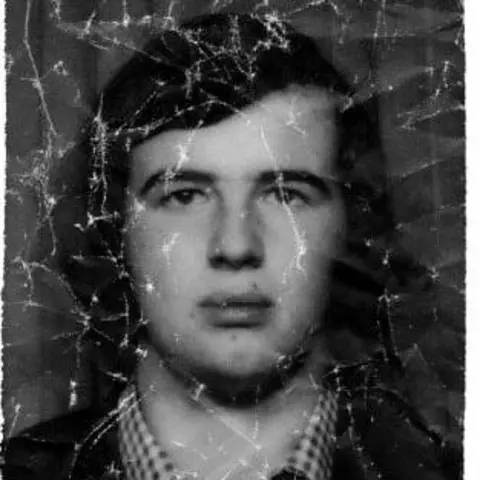 Jeremy Gavins
More than 250 people were subjected to painful electric shocks, designed to change their sexual preferences and gender identity, in NHS hospitals between 1965 and 1973, the BBC has discovered.
Three Electric Shock Aversion Therapy (ESAT) survivors have told of physical and lasting psychological pain they experienced as teens at the time. One, Jeremy Gavins, 72, said shocks were so severe he lost consciousness and woke up in hospital three days later.
As a result of the investigation, the BBC understands
The British Psychological Society has abandoned its use of ESAT but conversion practices in the UK are still not illegal.
The three survivors, who were teenagers when they were subjected to the procedure, described the physical agony of the electric shocks and the mental trauma of being labelled “perverts” with a “disease”.
Another survivor, Pauline Collier, 80, described her treatment: “He taped electrodes to my arms and gave me a series of shocks. They made me sweat and flinch.”
Many of those treated were referred to hospital by their teachers, priests or GP.
Some say they did not give informed consent, and say they were explicitly told not to tell their parents.
The findings have prompted calls for a formal apology from the government and NHS, led by Lord Chris Smith, who was the UK’s first openly gay MP.
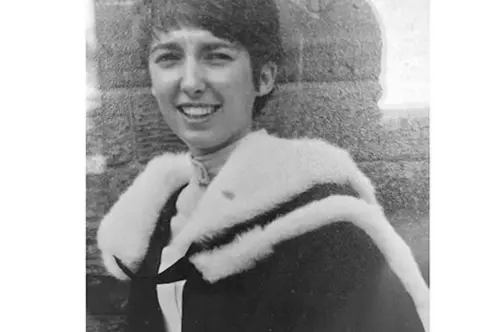 Pauline Collier
What is Electric Shock Aversion Therapy?
Electric Shock Aversion Therapy was a form of conversion practice based on associating same-sex attraction with pain.
Patients were strapped to a chair and had electrodes placed on their arm or legs, they were shown images of men or women and then given painful electric shocks, sometimes for up to an hour at a time.
Through the BBC’s extensive research, old medical journals and books written by doctors in the 1960s and 70s have been studied to extract the data that mentions the use of this treatment on gay and transgender people.
The records show that while participants were described as volunteers, many were referred by the courts to have the treatment, some were classified as having psychological illnesses, and some were classified as children at the time. One of them was 12 years old.
Survivors told the BBC they were often coerced or threatened by teachers, courts or employers, with expulsion from school or loss of employment.
The largest known trial took place at Crumpsall Hospital, in Manchester, where 73 people were treated under Dr Philip Feldman and Dr Malcolm MacCulloch.
Both doctors are now aged in their 80s. Dr MacCulloch’s family said that given his age, he was not in a fit state to respond, and Dr Feldman did not respond to the BBC’s letters.
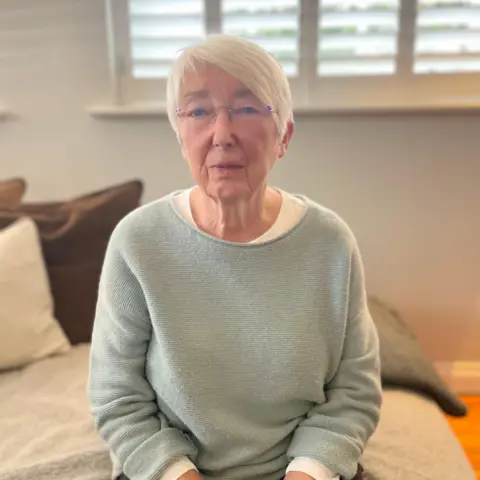
Ms Collier, who was 19 when subjected to the procedure Crumpsall Hospital in Manchester, said: “You could either get the electric shock immediately as the photograph came up, or you could get it after 30 seconds.
“During that waiting period, you become very anxious and very frightened.
“I reckon I must have had about 20 sessions. Each session involved about, I suppose, a dozen, 12 shocks. It did damage me.
“I was just 19 years old, I was a working class girl, brought up to be obedient and seek approval, particularly male approval. And there were these three important doctors telling me that they could get rid of this thing inside me.”
She added: “I don’t think they ever said, ‘We’ll be sitting you in a chair and giving you electric shocks’. I don’t remember that. And I think, at the time, I was just so psychologically vulnerable that I just accepted it all.”
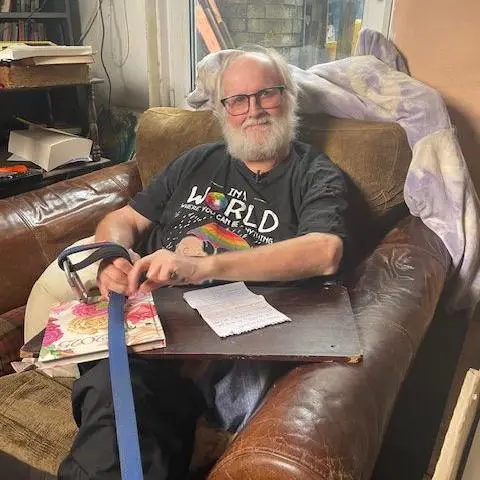
Mr Gavins, now 72, of Ulverston, was 17 years old when he was referred by his GP to Lynfield Mount Hospital, in Bradford.
“A male nurse came to see me and said, ‘Come with me’.
“He said, ‘Take all your clothes off and put them in this locker’. I sat on this chair, he fastened a strap around my left hand, and then did the same with my right hand.
“He played with a switch, and I got a pain in my arm. He said, ‘Did it hurt?’ and I said, ‘Yes’ and he said, ‘Good, it’s meant to’.”
- A list of organisations in the UK offering support and information with some of the issues in this story is available at BBC Action Line.
When he was asked to describe the pain, he said: ‘It’s like somebody sticking a jagged knife in the side of your arm and scraping it down.”
Mr Gavins says the trauma has lasted a lifetime. “I have PTSD [post traumatic stress disorder], which gives me shooting pains in my arms and down my side, I’ve suffered terrible depression, I’ve never had a relationship 50 years later. I was too frightened.”
However, after he wrote to his old school – which told him he would be expelled if he did not go for the therapy – asking for an apology, he received a written response from the Roman Catholic Diocese of Leeds acknowledging his suffering, the lack of compassion from members of the school clergy at the time, and offering a “heartfelt” apology.
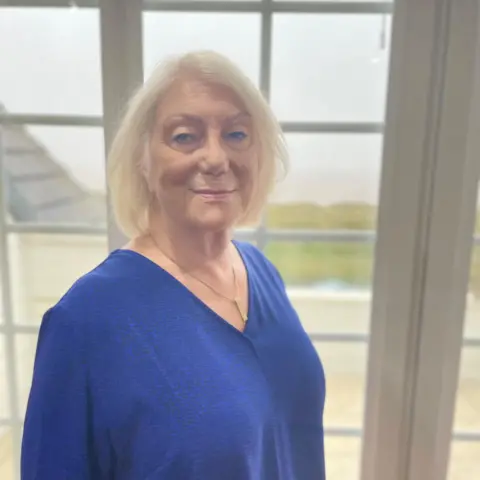
Carolyn Mercer, 78, says she has always felt female despite being born male and having lived most of her life as a man.
At the age of 17, Carolyn confided to a local priest that she felt female rather than male and was sent to Blackburn Hospital for electric shock treatment.
“My hand shot up in the air, pain racked through my body, tears rolled down my face,” she said.
“That treatment wasn’t any sort of therapy. It was cruel, barbaric punishments – torture, not therapy.”
Like a ‘cottage industry’
Recent research by Prof Hel Spandler, a leading historian of psychiatry and LGBT+ health, suggests ESAT practice was far more widespread than previously documented.
While the BBC has found records confirming more than 250 cases, Prof Spandler’s analysis of medical archives and oral histories indicates the true figure could be close to 1,000 cases across the UK.
She explains many treatments were never formally recorded at the time, and describes the treatment as operating like a “cottage industry”, with hospitals and clinics quietly replicating the method across the country.
“The treatment was often presented as cutting-edge behavioural science,” she notes.
Early versions of aversion therapy were first trialled on animals and then on humans for conditions such as phobias, compulsions, and addictions, for example, using mild shocks to reduce nail-biting or gambling.
“But in reality,” she said, when used to treat sexuality and gender expression, “it caused profound harm and lifelong trauma”.
 PA
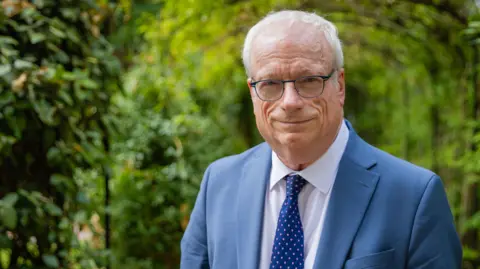
PALord Smith told the BBC: “The use of forced electric shock aversion therapy to try and change someone’s sexual orientation, just 50 or 60 years ago, is horrifying.
“The fact that this was imposed on people by the NHS makes it even worse.
“The country, and the NHS, should at the very least make a formal apology.”
He added: “We were supposed to be a civilised country, but this was quite simply inhumane.”
Conversion practices still happening
In 2017, NHS England and the Royal College of Psychiatrists pledged to stop practising conversion therapy, including electric shock treatment.
Yet conversion practices still remain legal in the UK and continue to take place in private homes, churches, and through some counsellors or therapists.
According to campaigner Saba Ali: “People are still tortured and hurt in the name of conversion therapy.”
The government has promised to draft a bill to end conversion practices by the end of this year, but it has not happened as yet.
As a result of our investigation, the BBC understands the government will now investigate the historical use of electric shock therapy in the NHS.
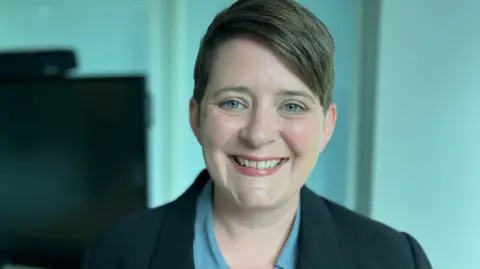
Minister for Equalities Olivia Bailey said: “My thoughts are with those who suffered from this inhumane practice.
“The bottom line is that conversion practices are abuse – such acts have no place in society and must be stopped.
“That is why this government is committed to bringing forward a full, trans-inclusive ban on conversion practices, as set out in our King’s Speech.
“All people deserve to live freely and without fear, shame or discrimination, and as a member of the LGBT+ community myself, I will work tirelessly to ensure that is the case.”
The trial conducted at Crumpsall Hospital was overseen by academics at Manchester University.
In a statement, the university said: “The attitudes that informed the Crumpsall trials, now considered unethical and harmful, were widely and openly held in the 1960s.
“Knowing this, however, can only add to the trauma of those who had to endure such treatment, and we would like to express our regret and sorrow for being part of that environment.”
Bradford District Care NHS Foundation Trust did not wish to comment on Mr Gavins’ case but referred the BBC to a “collective memorandum of understanding” that a number of health, psychotherapy and counselling organisations, including NHS England and the Royal College of Psychiatrists, have agreed.
East Lancashire Hospitals Trust said it did not provide healthcare to the Blackburn Hospital area at that time, and referred the BBC to the government.
What is conversion therapy and will it be banned?
Related internet links